
Sam Taziaux selected for CSIRO Student Program!
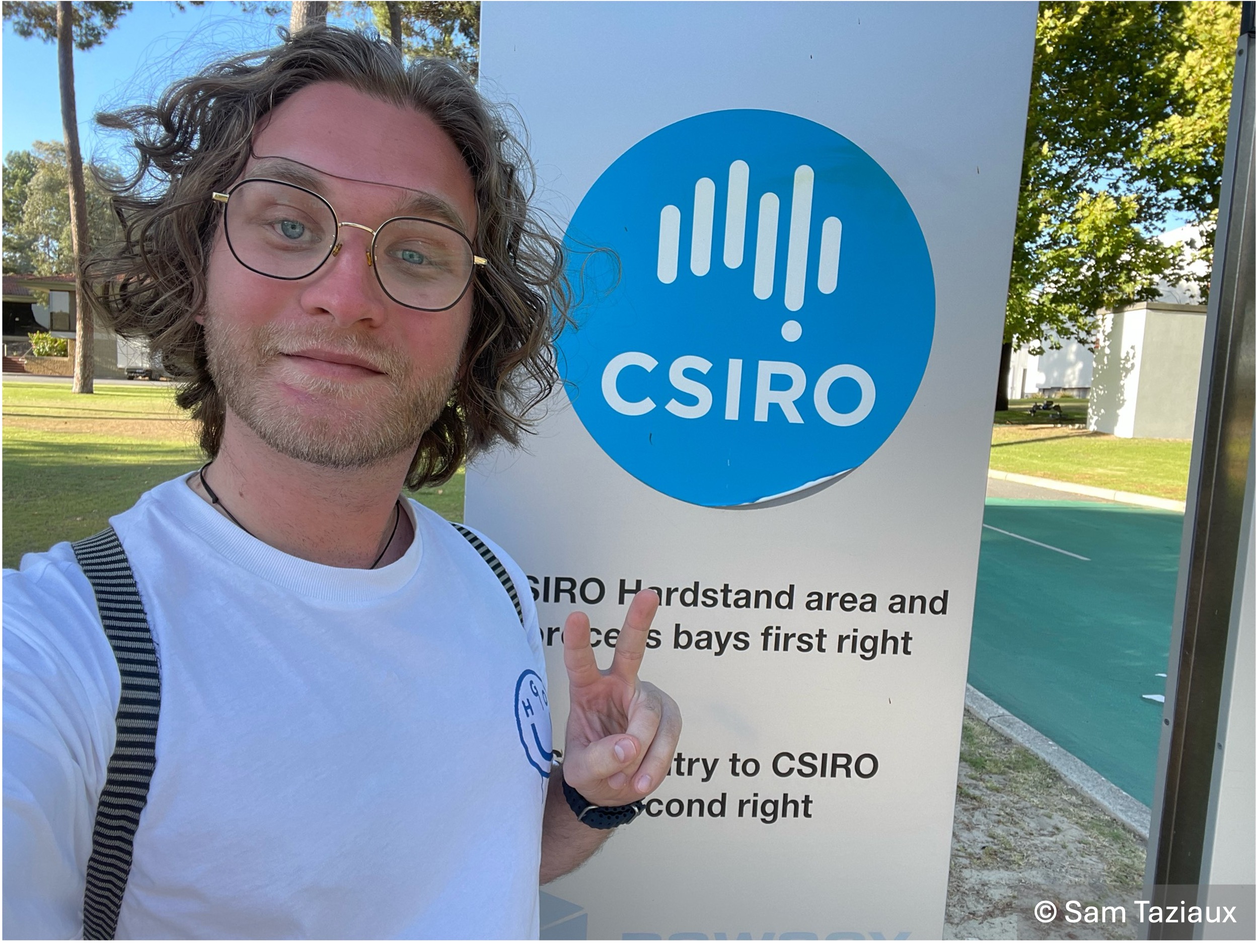 The CSIRO Student Program is a competitive initiative by the CSIRO, Australia’s national science agency. The program supports a small number of early-career researchers whose work aligns closely with CSIRO’s scientific priorities and who actively contribute to collaborative research with CSIRO teams.
Within project A2 of the CRC 1491, Sam focuses on the role of magnetic fields in dwarf galaxies and the transport of cosmic rays.
As part of the CSIRO Student program, Sam will return to Perth in November 2025 for a one-month research visit, deepening the scientific collaboration and highlighting the growing ties between the SFB and CSIRO.
He will work directly with Tim Galvin, Alec Thomson, and George Heald on joint modeling approaches and data interpretation, laying the groundwork for future shared initiatives.
Julia Tjus Member of the DFG Senate
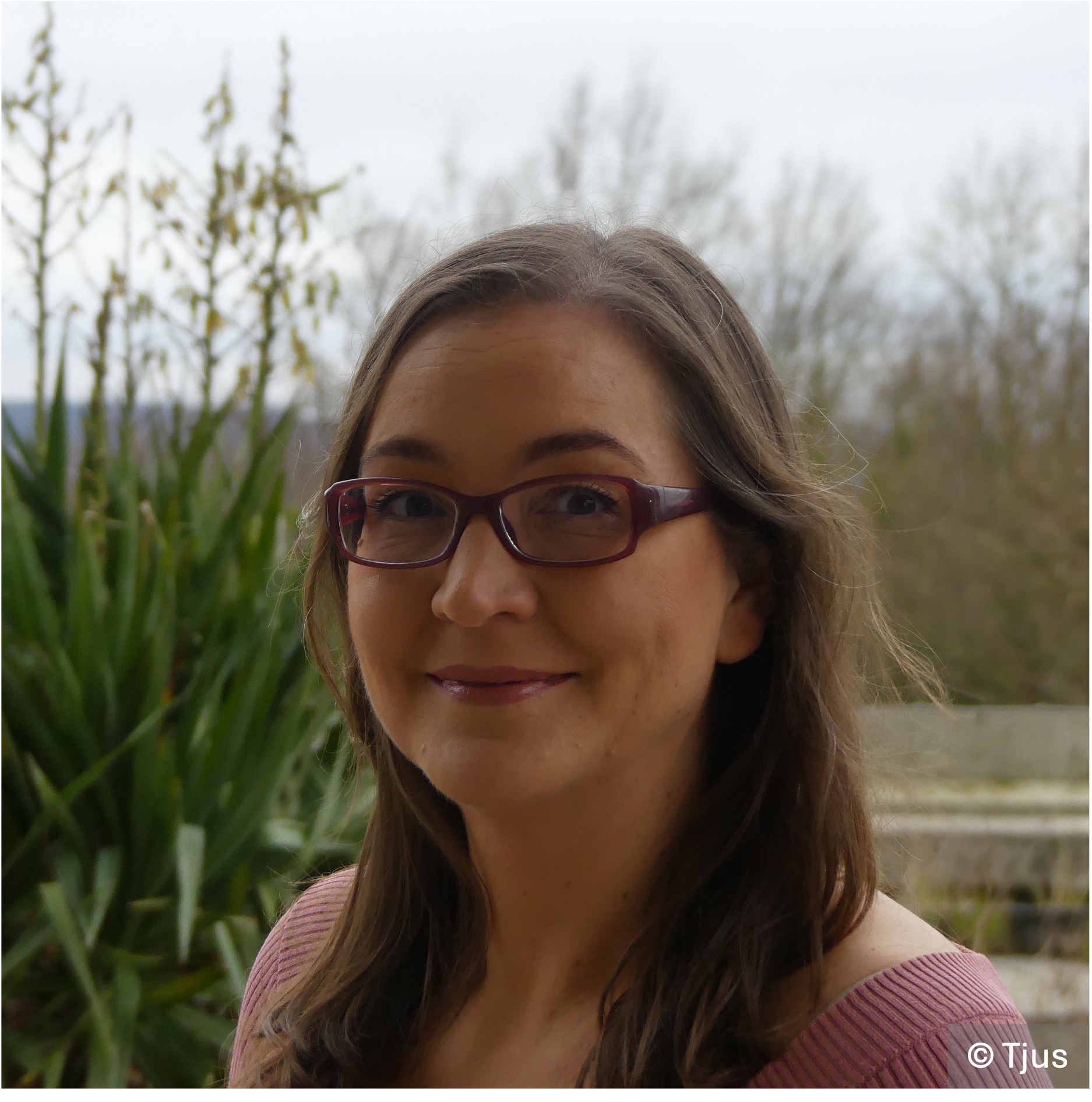 We congratulate our CRC Spokesperson Julia Tjus on her election into the Senate of the Deutsche Forschungsgemeinschaft (DFG) - German Research Foundation!
The Senate is the central scientific body that advises on all matters of fundamental importance to the DFG and, in many cases, also makes decisions.
CRC1316 presents at ISPC 26
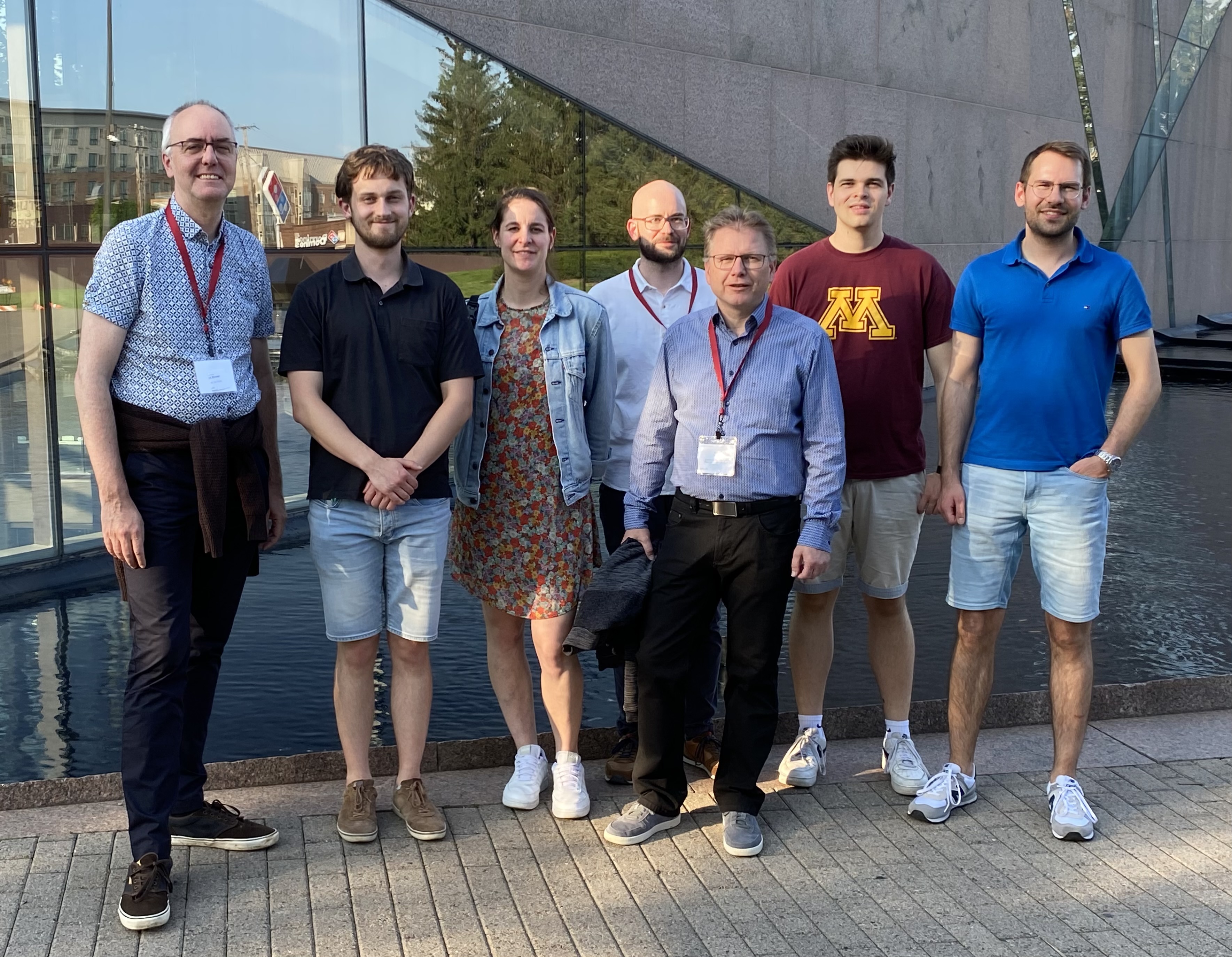 Seven researchers from the CRC1316 presented their results at the international symposium on plasma chemistry ISPC 26 in Minneapolis 15.6.-20.6.2025. The contributions included one invited lecture, 4 oral presentations, and one poster. The conference offered the possibility to interact with the peers in the community and to exchange new ideas and identify new trends.
Public lecture „Die Geburt stellarer Monster - Über die Entstehung der massereichsten Sterne im Universum“
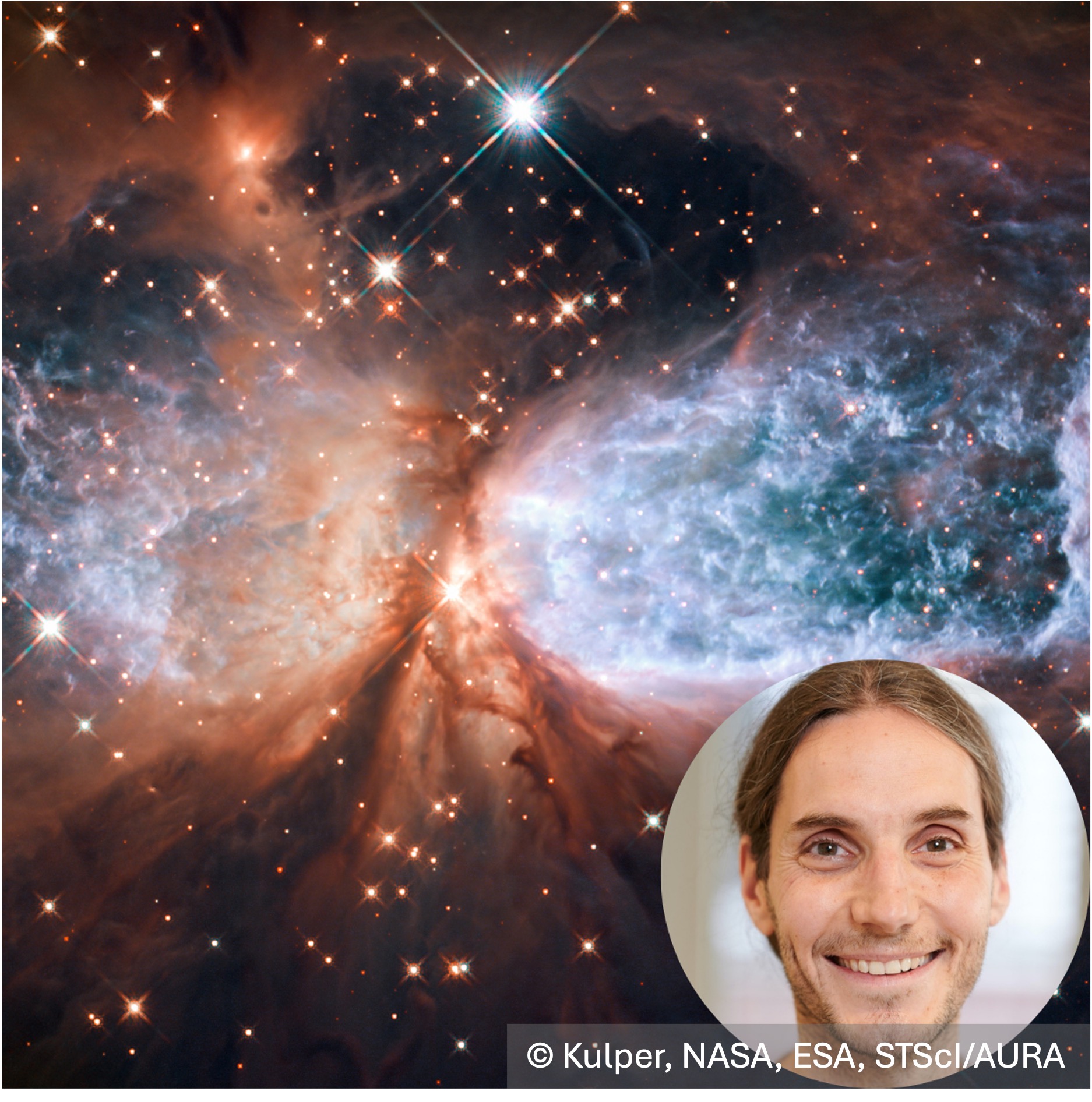 We are pleased to invite you to the public lecture “Die Geburt stellarer Monster - Über die Entstehung der massereichsten Sterne im Universum " (in German).
In his talk, Rolf Kuiper will explore how the most massive stars in the cosmos are formed, which are rare in number, but extremely bright. He will connect the latest insights from astrophysical simulations with brand-new observations of young, massive star-forming regions that have only recently become accessible.
When 25.6.25 at 20:00
Where Planetarium Bochum
For registration and further information, please have a look at the Planetarium’s homepage.
Picture:
In the S 106 region, about 2,000 light-years from Earth, a particularly massive star is being born.