Continuous exchange between Bochum and GREMI laboratory
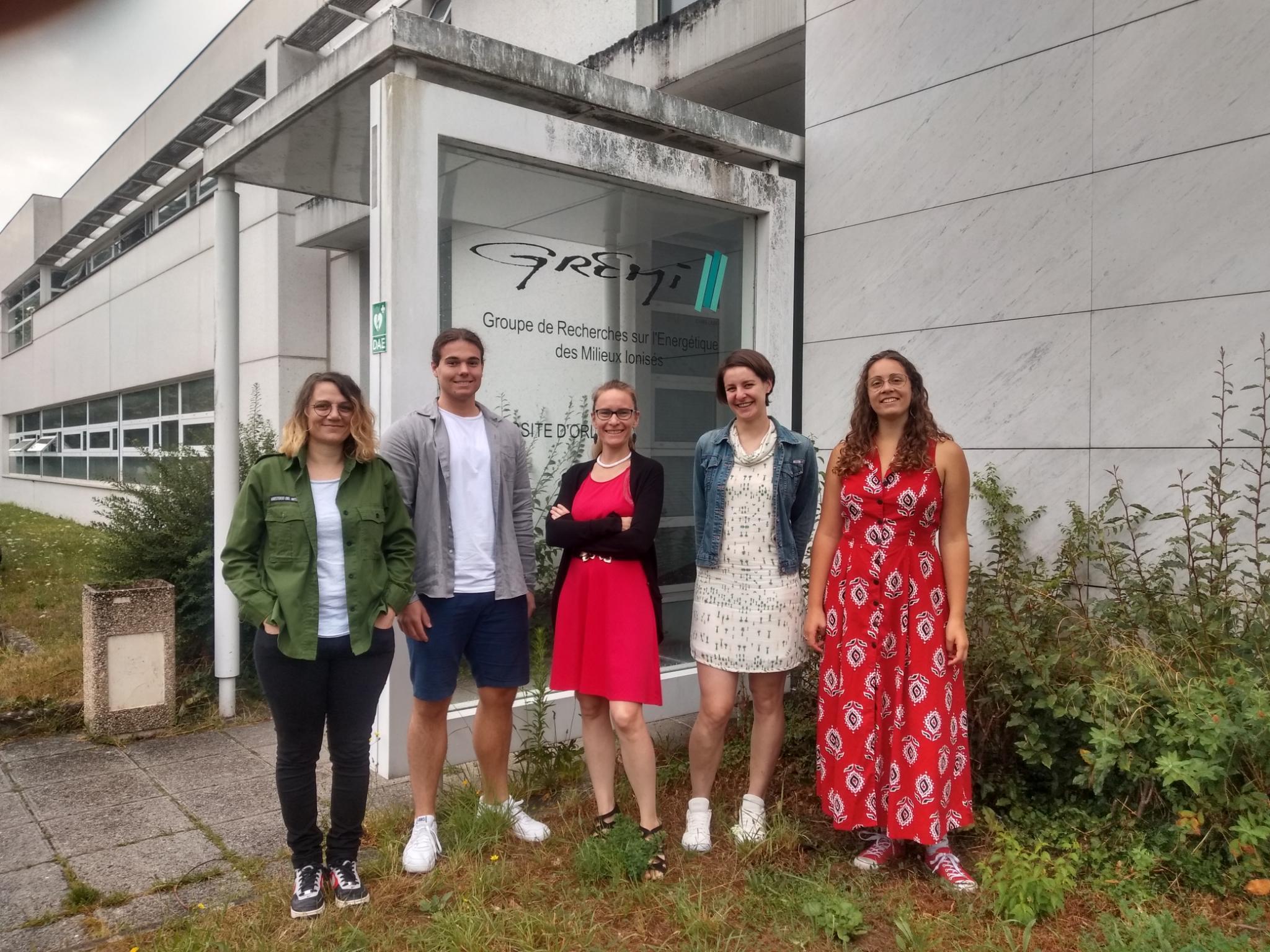
The DAAD exchange program (part of a PROCOPE project) between Prof. Judith Golda from Ruhr University Bochum and Prof. Claire Douat from GREMI allowed several exchange visits between both groups. The exchange focuses on the study of the role of CO in the treatment of biological substrates.
Cold atmospheric pressure plasmas could provide a well-controlled local source of small-dose CO that can be directly guided to the treatment zone. The aim of the project is to investigate the production pathways and the role of the CO molecule during the plasma treatment of biological material. Possible synergism of CO and plasma-produced species such as electric fields, ions and electrons, photons and other neutral radicals are analysed.
In detail, several exchange visits from both labs were made. In July, Jun.-Prof. Judith Golda, Dr. Laura Chauvet and Daniel Henze from the CRC 1316 we- re guests in the laboratory of Prof. Claire Douat at the GREMI in Orléans. In a joint measurement campaign, two different atmospheric pressure plasma jets we- re being tested. They measured the production of CO at different operating conditions with a gas analyser.
In October, directly after the Plasma School in Bad Honneff, Eloise Mestre visited the PIP group. The second measurement campaign focused on the measurement of plasma-produced CO in an kHz jet source using mass spectrometry.
Finally, Jun.-Prof. Judith Golda and Dr. Sebastian Bur- henn stayed in the laboratory of Prof. Claire Douat at the GREMI in Orléans for a joint research campaign in November again. This time, the work was focused on the measurement of plasma-produced carbon monoxide affecting human hemoglobin.
Outreach
New concept was introduced in the plasma workshop of the project week
The project week for students at Ruhr University Bochum in grade 8 and 9 is a educational offer of the CRC 1316, Faculty of Physics and Astronomy from RUB and is greatly supported by zdi. From 4th to 7th October, the project week took place with four workshops hosting over 60 high school students.
The concept of the plasma workshop “From plasma to gold coating” was adapted according to feedback from students and workshop leaders from the last years. The focus of the topics was shifted from theoretical work towards application-based discussions with exercises to practice and apply newly gained knowledge. The focus has been set to enable the students to plan and execute their research as well as analyse the data and present their findings creatively and self-determined. The workshop leaders and material should guide through the workshop, offering the students a democratic say in the concrete design of the week.
To adapt the material to modern standards and the vast digital resources available for students online, the project guide now includes online resources that can be used for better understanding or diving deeper into different topics by using the QR codes to access articles and videos. In the future, this guide can also be used with and on tablets and as a digital version, enhancing the interactivity and individualisation of the learning process of the students even further.
25th International Plasma School
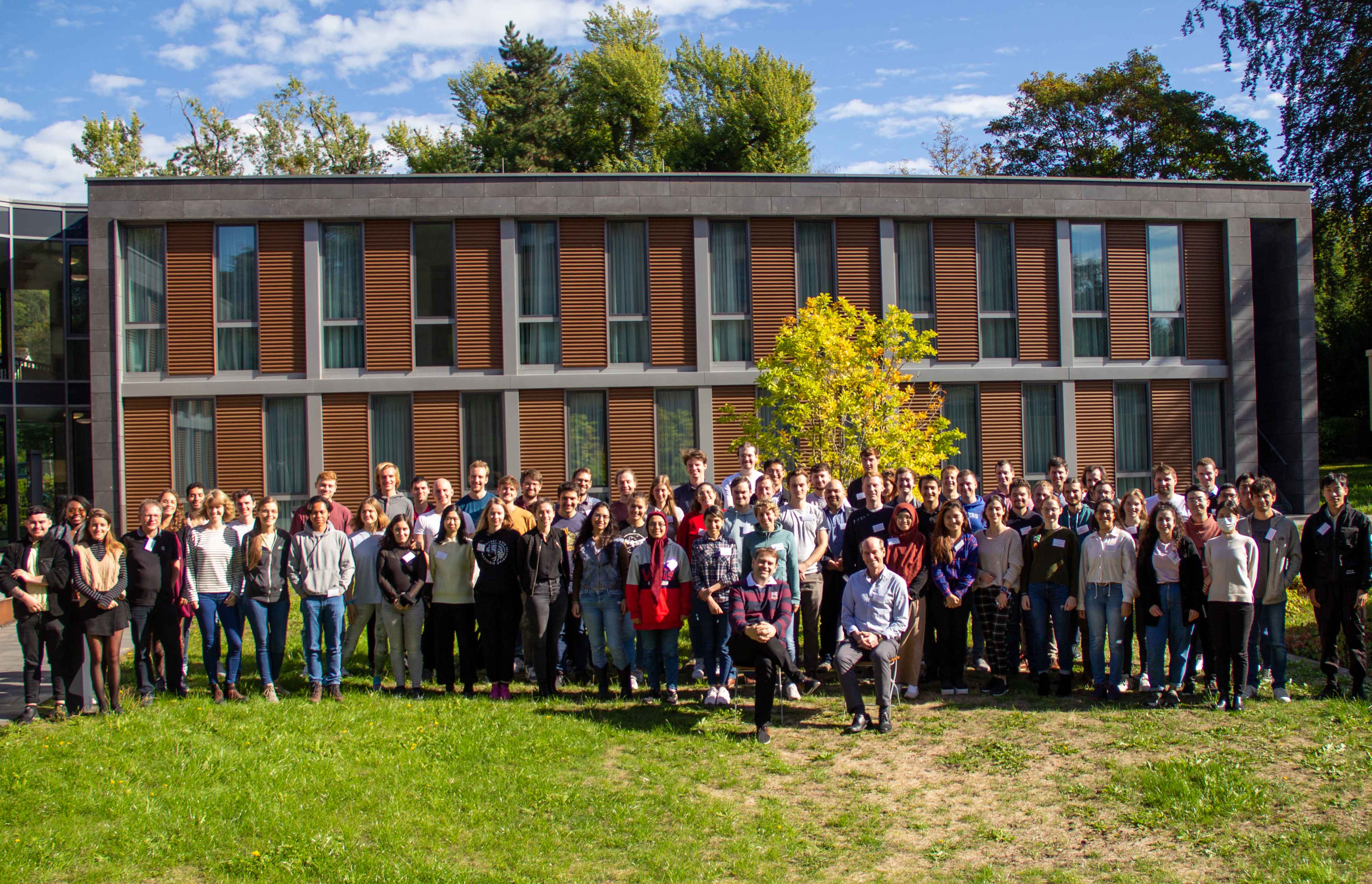
From 01 October to 6 October the Plasma School took place again in Bad Honnef. In the 25th edition, 69 students from 13 countries were able to expand their knowledge of plasma physics and plasma technology at the Physics Center. Subsequently, the Master Class started on October 7, this year on the topic of electric propulsion.
The local organization of the plasma school by the Research Department was supported this year by the international chairmen Jan Benedikt and Holger Kersten from CAU Kiel.
Exchange
Exchange with the Institute of Plasma Physics of the Czech Academy
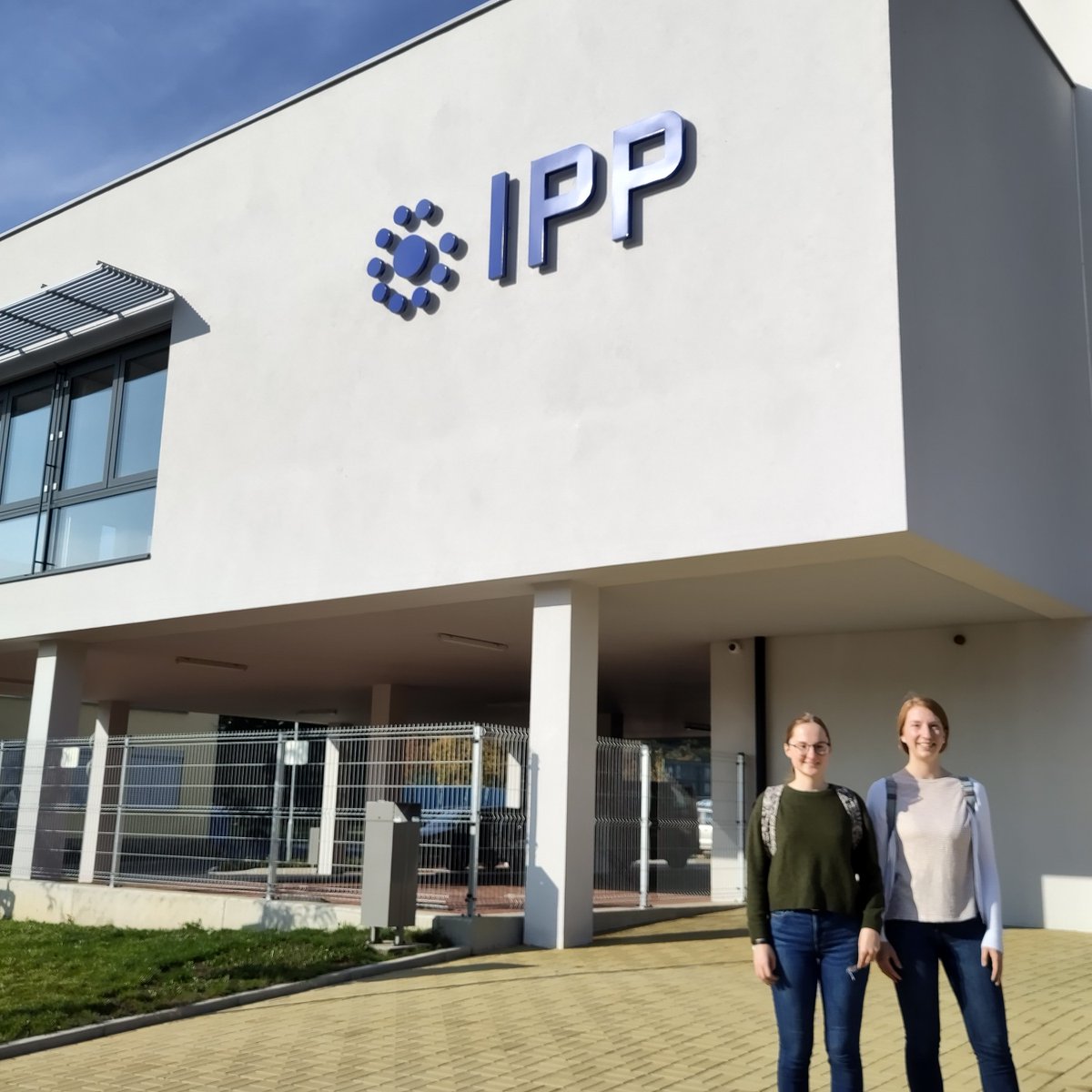
From October 17th—19th, Pia Pottkämper and Dr. Katharina Laake from project B7 (CRC 1316) visited the Institute of Plasma Physics of the Czech Academy (IPP) of Sciences as part of an exchange visit. The motivation for this exchange was the similar research topic of both groups. Previously from October 12th—13th Dr. Petr Bílek from that same Institute had visited the EP2 chair to give a talk on the recent results of his groups investigations of nanosecond pulsed plasmas in water. At the IPP they were invited to visit the labs and experiments. They had the chance to discuss and compare their research of nanosecond pulsed plasmas in liquids. According to that topic, Katharina Laake gave a talk regarding the “Temporal evolution of nanosecond pulsed plasmas in water” at the Institute. During their stay, they also had the chance to explore the city of Prague with their hosts.