
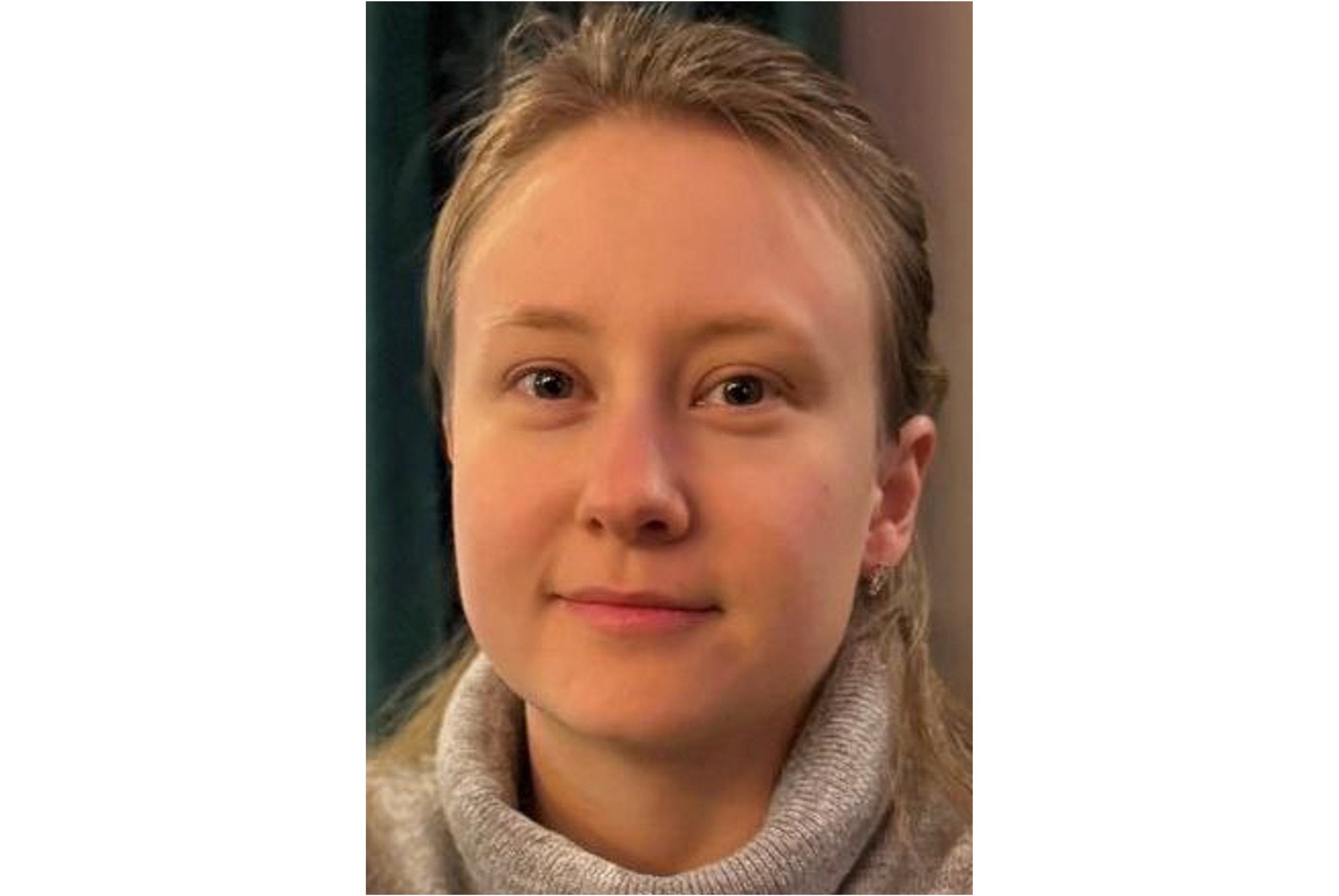
Dr. Yulia Sharova, Theoretical Electrical Engineering
Keywords:
Webpage: Theoretical Electrical Engineering
ORCID: tbc
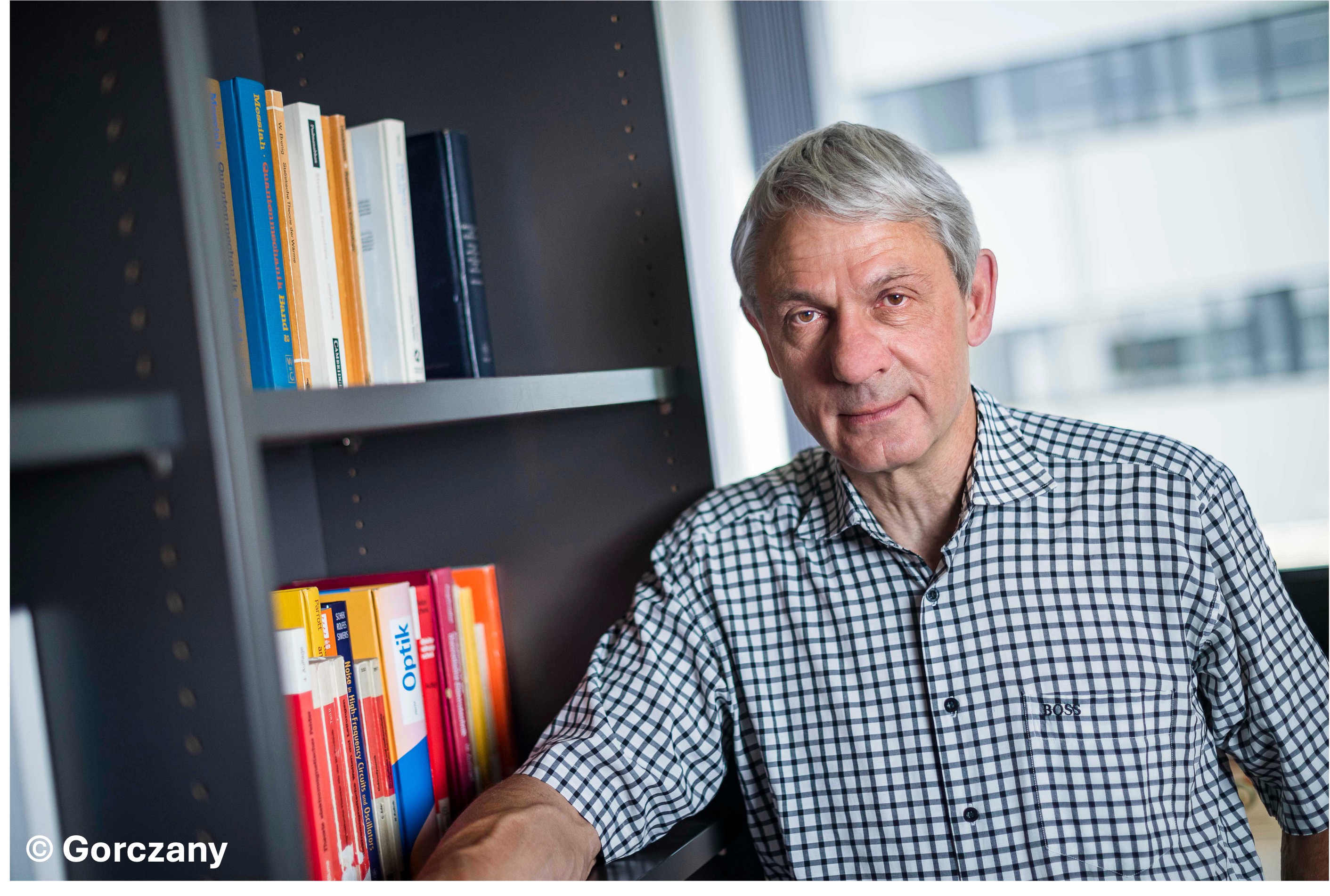
Prof. Dr. Ralf Peter Brinkmann, Chair for Theoretical Electrical Engineering
 The main focus of the TET group is on the modeling and simulation of technological plasmas. A wide array of sys-tems and devices is addressed, distinguished by their excitation scheme (DC, pulsed, RF, MW), pressure range (1 to 105 Pa), and electron density (1014 - 1020 m-3). Special emphasis is on RF driven discharges (capacitively and inductively coupled plasmas), miniaturized plasma jets at ambient pressure, and magnetically enhanced high power plasmas (high power impulse magnetrons, magnetically enhanced hollow cathode arc discharges). Also addressed are core phenomena such as the plasma boundary sheath and the onset of spontaneous structure for-mation. Moreover, evaluation schemes for the plasma diagnostic methods are developed, particularly for passive and active plasma resonance spectroscopy. The research uses both analytical and numerical models, often in com-bination.
Keywords: Technological plasmas, kinetic theory, analytical methods, numerical methods
Webpage: Theoretical Electrical Engineering
ORCID: 0000-0002-2581-9894
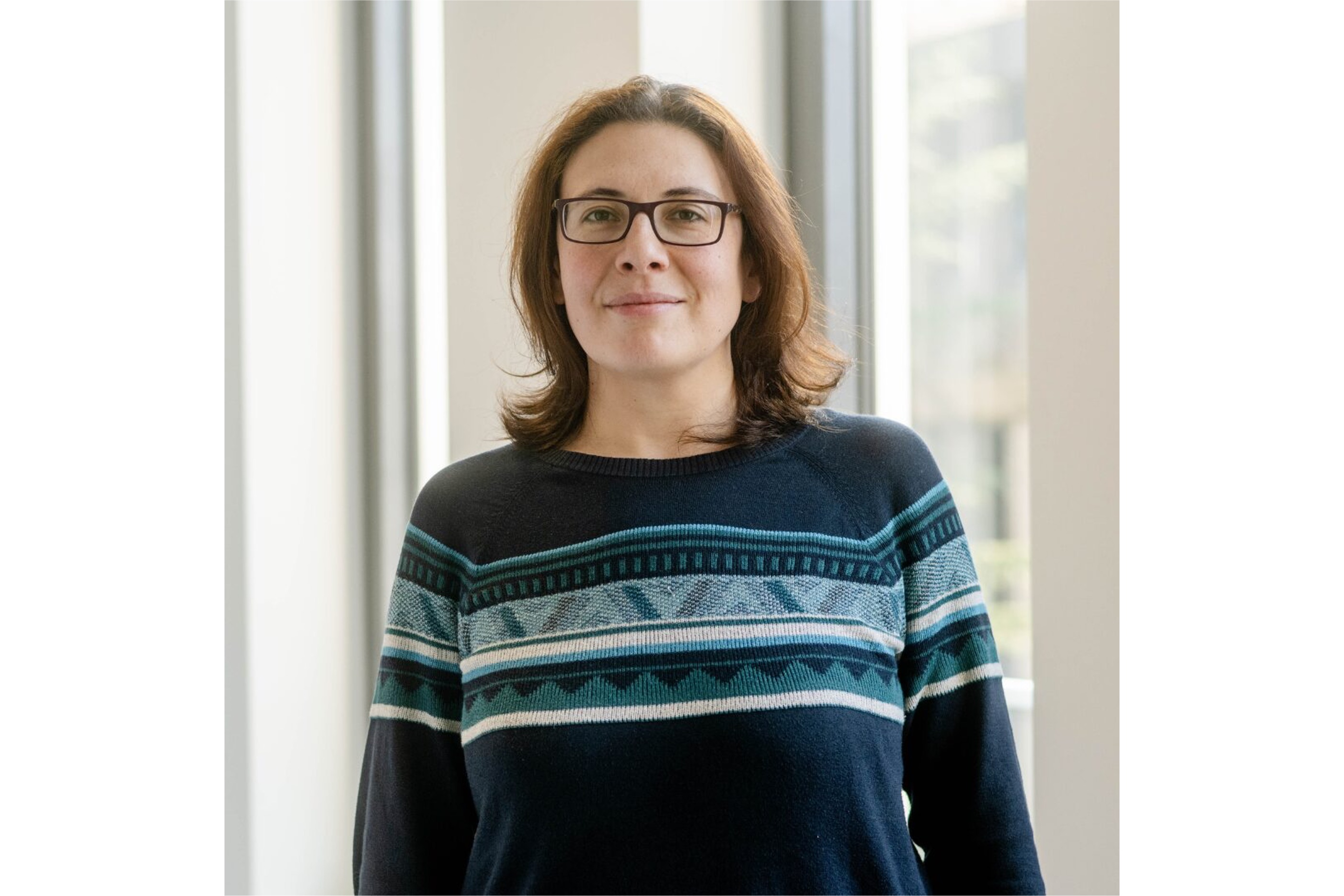
Prof. Dr. Maria Innocenti, Computational Plasma Physics
 The research is focused on the interaction of kinetic and global scales in space (heliospheric) plasmas. Fully kinet-ic, Particle-In-Cell codes are augmented with capabilities that specifically address the multiscale nature of plas-mas, e.g., adaptive-like models are used to simulate localized, small scall processes embedded in large domains, and fully kinetic Expanding Box Models are used to simulate expanding plasmas such as the solar wind. Current topics of research are magnetic reconnection in symmetric (e.g., magnetotail) and asymmetric (e.g., magnetopause) environments, and heat flux regulation by kinetic processes in the solar wind. Simulations results are compared and validated vs recent missions, such as the MMS and Parker Solar Probe, Solar Orbiter missions for magneto-spheric and solar wind simulations respectively.
Keywords: space plasmas, kinetic, adaptive, reconnection, heat flux
Webpage: Theoretical Physics I
ORCID: 0000-0002-5782-0013
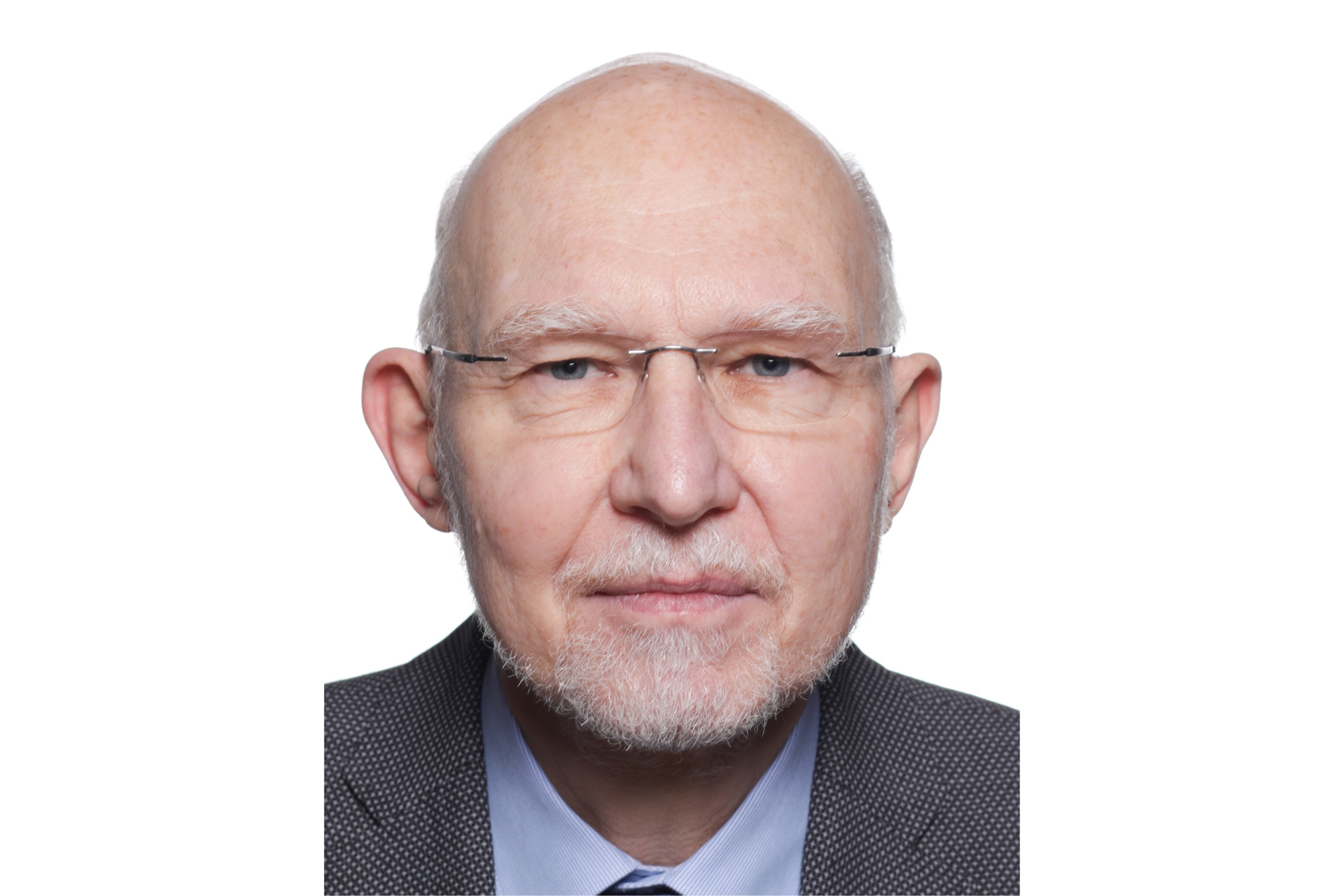
Prof. Dr. Uwe Czarnetzki, Chair of Experimental Physics V
 Low-temperature plasmas with electron temperatures in the range of a couple of eV are generally the topic of our research where we ask basic questions like these: How are electromagnetic fields coupled to the plasma? How do the electrons gain energy? How does the transport of charged particles work? What is the structure of the plasma and the plasma generated fields? What kind of collisional processes are important for transport and energy loss? The aim of our investigation is to understand the physics of these ionized systems. This requires well-designed plasma sources, which produce stable and reproducible plasmas, as well as advanced diagnostics. The most obvi-ous might be current and voltage measurements and various kinds of emission spectroscopic techniques - but even these diagnostics can be quite challenging on ns or even sub-ns time-scales. Further, charged particle detec-tion using probes or analyzers are essential for determining distribution functions. A particular strength of the group is in use and development of advanced laser diagnostic techniques, with lasers ranging from fs to cw opera-tion and wavelengths from the UV to the IR. Typically, a larger number of diagnostics is applied to a single type of plasma in order to obtain information on the most relevant key parameters. Since measurements alone are never sufficient to gain understanding of the physics, we also work on developing analytical models and often combine these with simulations. However, in most cases simulations are carried out in collaboration with colleagues who have specialized in this field. In any case, it is this triangle of experimental data, analytical models, and simula-tions, which is most successful in gaining insight on the physics.
Keywords: Plasma physics, Plasma diagnostic, Plasma modelling, Low pressure plasmas, Atmospherics pressure plasmas
Webpage: Experimental Physics V
ORCID: 0000-0002-5823-1501
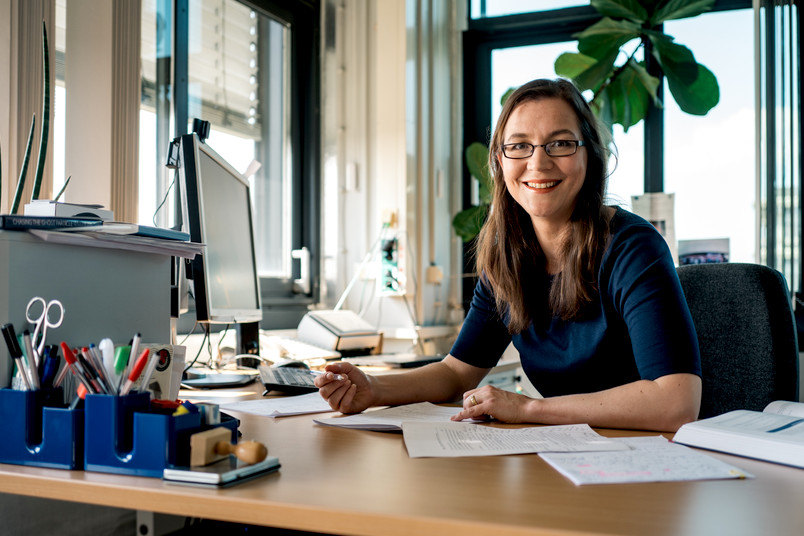
Prof. Dr. Julia Tjus, Plasma Astroparticle Physics
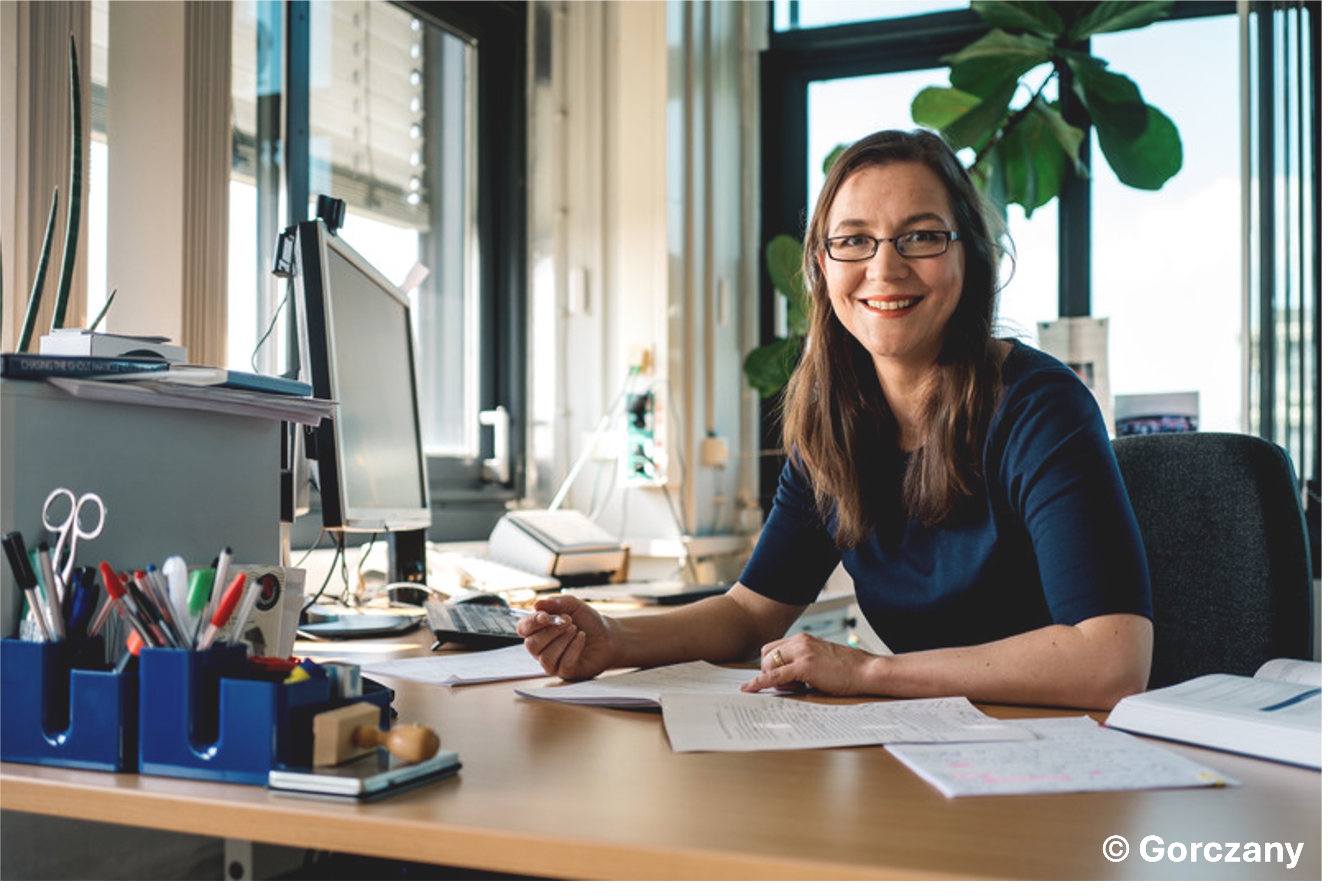 The research of the chair “Theoretical Physics IV: Plasma-Astroparticle Physics” is focused on the theoretical de-scription of particle interactions and transport in astrophysica, magnetized plasmas. By solving the transport equation in the diffusive propagation regime, or the equation of motion in the ballistic regime, we aim to describe the multimessenger signatures from astrophysical objects like active or starburst galaxies, supernova remnants, and the Milky Way. A special focus lies in the interpretation of high-energy gamma-ray and neutrino signatures, with a participation in the instrumentation, operation, and data analysis of the Cherenkov Telescope Array (CTA), being built in La Palma and Chile, to measure TeV gamma-rays, as well as the IceCube Neutrino Observatory, lo-cated deep in the Antarctic Ice at the geographic South Pole. In our work, we use and develop numerical solvers of differential equations and apply machine learning methods to large data sets.
Keywords: high-energy plasma-astrophysics, diffusive particle propagation, collisionless plasmas, machine learning, differential equations
Webpage: Theoretical Physics IV
ORCID: 0000-0002-1748-7367