
Prof. Dr. Martin Hoffmann, Microsystems Technology
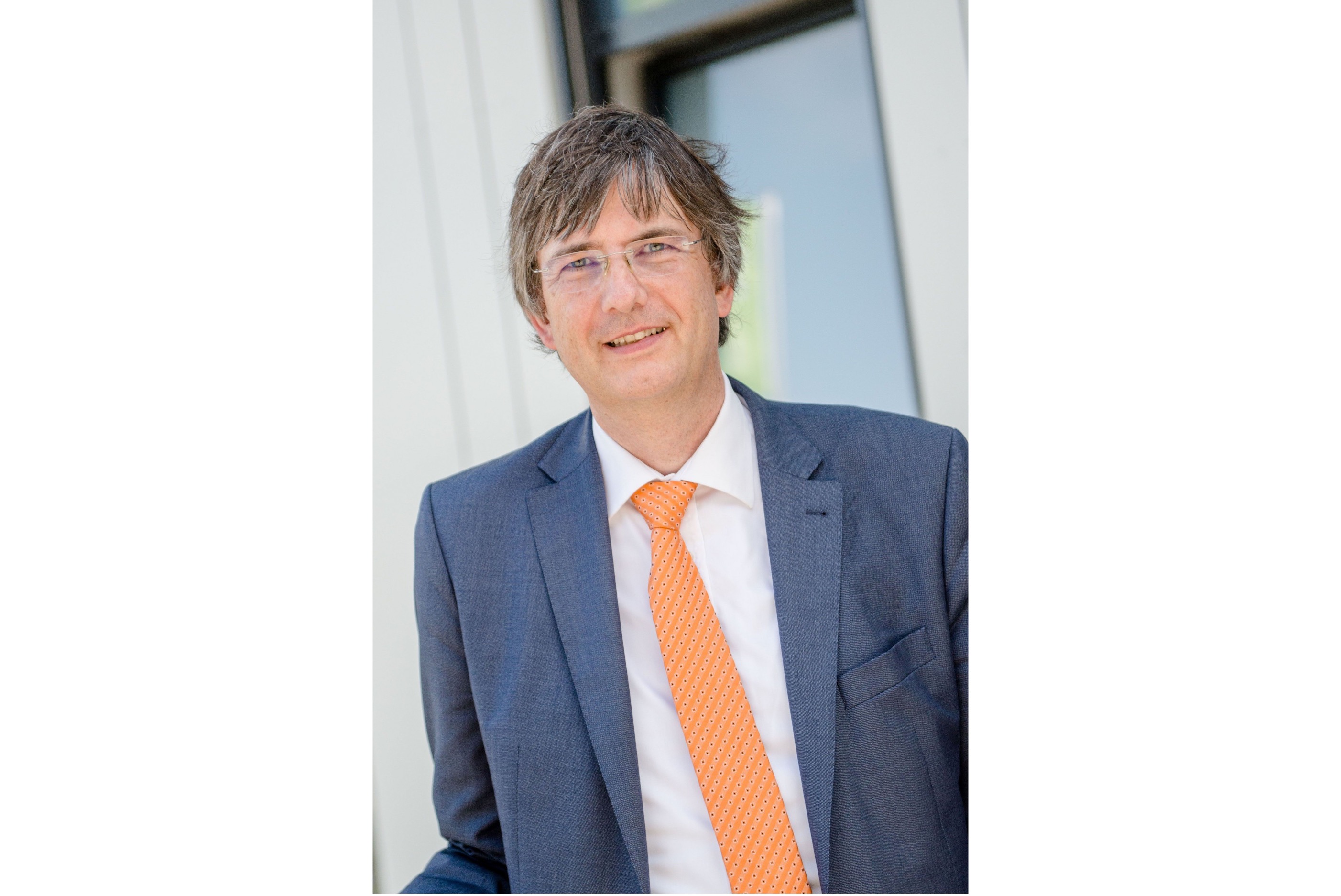 The group uses different plasmas for deposition and etching of microsystems and microelectronics. It hosts the “Forschungslabor Mikroelektronik Bochum für 2D-Elektroniksysteme”, funded by BMBF within the ForLab initia-tive. The technological backbone are a three-chamber cluster tool for physical vapour deposition (PVD) and a five-chamber cluster tool for plasma-based CVD including atomic layer deposition (ALD) and reactive ion etching (RIE) / atomic layer etching (ALE). Both clusters are installed in 2021 and are open for research cooperation. The key research topics are microelectronics based on 2D-materials (new materials, selective etching of 2D-materials, process integration) and innovative microsystems in silicon and in glasses based on reactive ion etching. All pro-cesses are available on wafer scale (silicon and glass) up to 200 mm diameter.
Keywords: plasma deposition, plasma etching, electronic systems, microsystems
Webpage: Microsystem technology
ORCID: 0000-0001-9420-022X
Dr. Kevin Schöffler, Computational Plasma Physics
 Lorem ipsum dolor sit amet, consetetur sadipscing elitr, sed diam nonumy eirmod tempor invidunt ut labore et dolore magna aliquyam erat, sed diam voluptua. At vero eos et accusam et justo duo dolores et ea rebum. Stet clita kasd gubergren, no sea takimata sanctus est Lorem ipsum dolor sit amet. Lorem ipsum dolor sit amet, consetetur sadipscing elitr, sed diam nonumy eirmod tempor invidunt ut labore et dolore magna aliquyam erat, sed diam voluptua. At vero eos et accusam et justo duo dolores et ea rebum. Stet clita kasd gubergren, no sea takimata sanctus est Lorem ipsum dolor sit amet.
Keywords:
Webpage: Theoretical Physics I
ORCID: 000-0002-7644-7381
Dr. Denis Eremin, Theoretical Electrical Engineering, Departmentent of Electrical Engineering and Information Science
Research is focused on the design, implementation, verification, validation, and application of novel numerical algorithms aimed at numerical modeling of various types of plasma discharges and on analysis of the resulting data. A particular emphasis is put on the multi-dimensional kinetic modeling of high-density plasmas operated at low pressures, which can be found in capacitively coupled, microwave-driven, dc- or rf-driven magnetron reac-tors, or Hall thrusters used in space propulsion. To make the corresponding simulations tractable, high-performance technologies based on the utilization of graphics-processing units (GPU), message-passing interface (MPI) or openMP are used. The simulation data obtained are analyzed and employed in the development of theo-retical understanding of the phenomena taking place in such plasmas.
Keywords: low temperature plasmas, magnetized plasmas, plasma modeling, algorithm development, high perfor-mance computing
Webpage: Theoretical Electrical Engineering
ORCID: 0000-0001-5160-6385
Dr. Malte Schröder, Photonics and ultrafast science
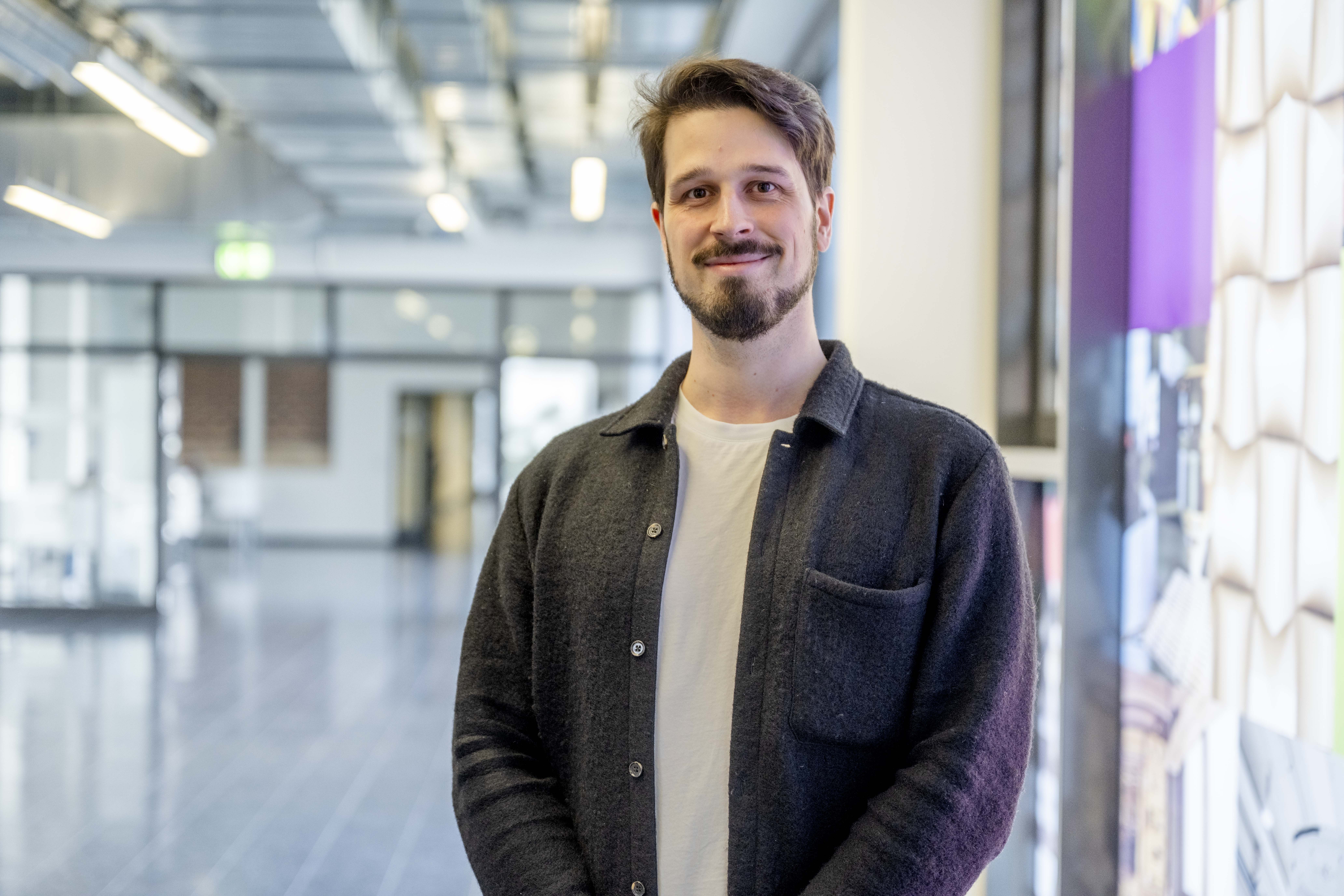 Our group is focused on researching laser-driven plasmas and laser-plasma interactions at different laser repetition rates in gas media. We are trying to observe and understand how cumulative effects, either in the target medium due to hydrodynamic effects from plasma recombination or in the plasma itself due to the accumulation of long-lived species, affect plasma generation via photoionization and associated plasma kinetics.
Keywords: Photonics, Ultrafast Laser Science
Webpage: Photonics and Ultrafast Science
ORCID: 0000-0003-4895-6354
Dr. Steffen Schüttler, Chair of Experimental Physics II
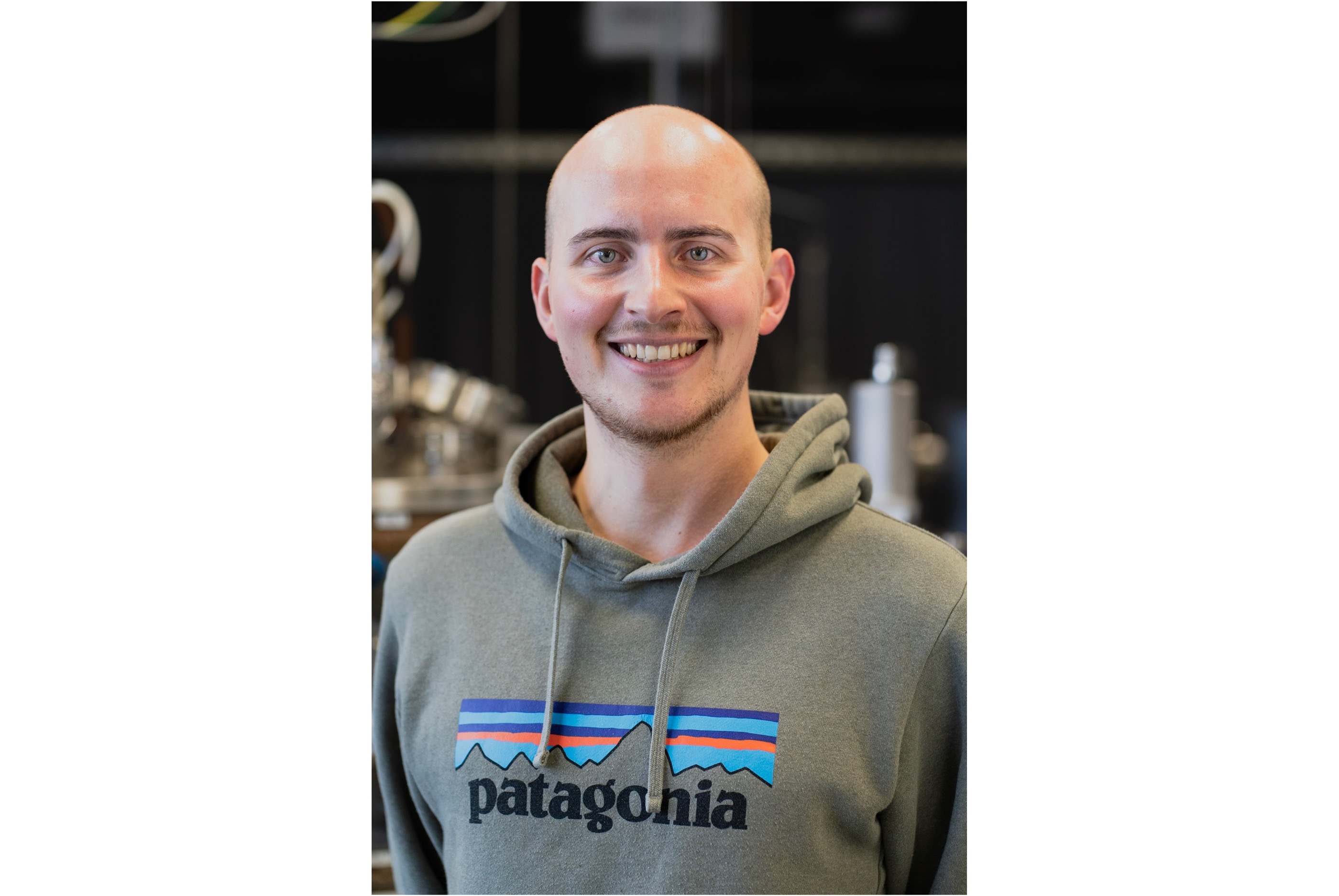 Lorem ipsum dolor sit amet, consetetur sadipscing elitr, sed diam nonumy eirmod tempor invidunt ut labore et dolore magna aliquyam erat, sed diam voluptua. At vero eos et accusam et justo duo dolores et ea rebum. Stet clita kasd gubergren, no sea takimata sanctus est Lorem ipsum dolor sit amet. Lorem ipsum dolor sit amet, consetetur sadipscing elitr, sed diam nonumy eirmod tempor invidunt ut labore et dolore magna aliquyam erat, sed diam voluptua. At vero eos et accusam et justo duo dolores et ea rebum. Stet clita kasd gubergren, no sea takimata sanctus est Lorem ipsum dolor sit amet.
Keywords:
Webpage: Experimental Physics II
ORCID: 0000-0003-0131-8654