
Prof. Dr. Hendrik Hildebrandt, Observational Cosmology, Astronomical Institute
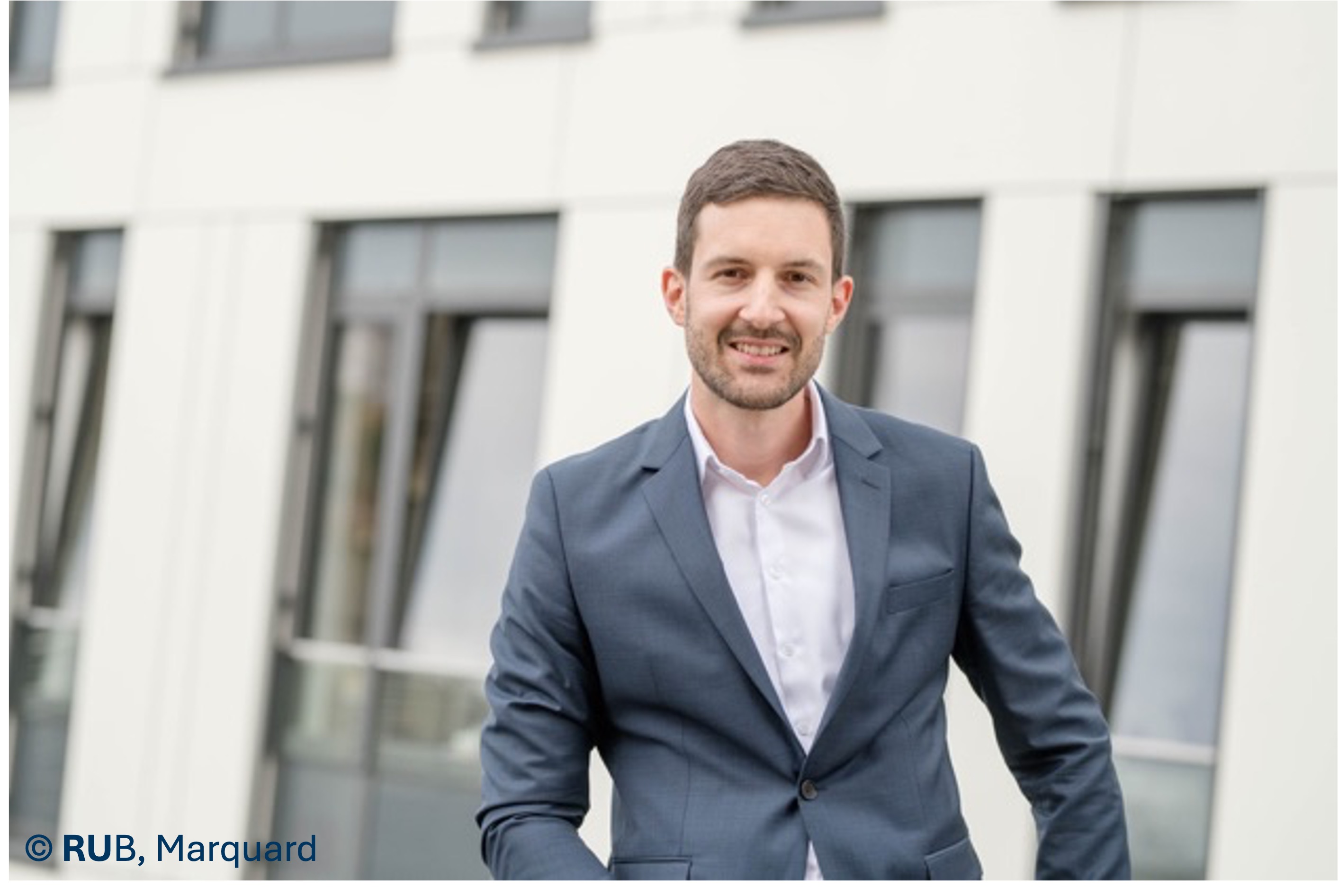 The research in our group is focussed on the exploitation of wide-field imaging surveys to study the effect of weak gravitational lensing of the large-scale structure of the Universe. This unique cosmological probe reveals the sta-tistical properties and evolution of the matter density field, which is described by the theory of cosmic structure formation. Precise measurements of this so-called cosmic shear effect constrain the values of important cosmologi-cal parameters like the total matter density and the amplitude of the power spectrum (i.e. the amount of clustering of matter). The gravitational lensing effect is inherently sensitive to all forms of matter and hence uniquely reveals (or makes visible) dark matter structures that dominate the matter budget of the Universe. Furthermore, their growth is influenced by the physical nature of the mysterious dark energy. In this way, our research is a direct window to study the dark Universe and extend our understanding at this very edge of our knowledge.
Keywords: Cosmology, Gravitational Lensing, Cosmic Shear, Wide-Field Imaging Surveys, Photometric Reds
Webpage: Astronomical Institute
ORCID: 0000-0002-9814-3338
Prof. Dr. Rainer Grauer, Theoretical Physics I
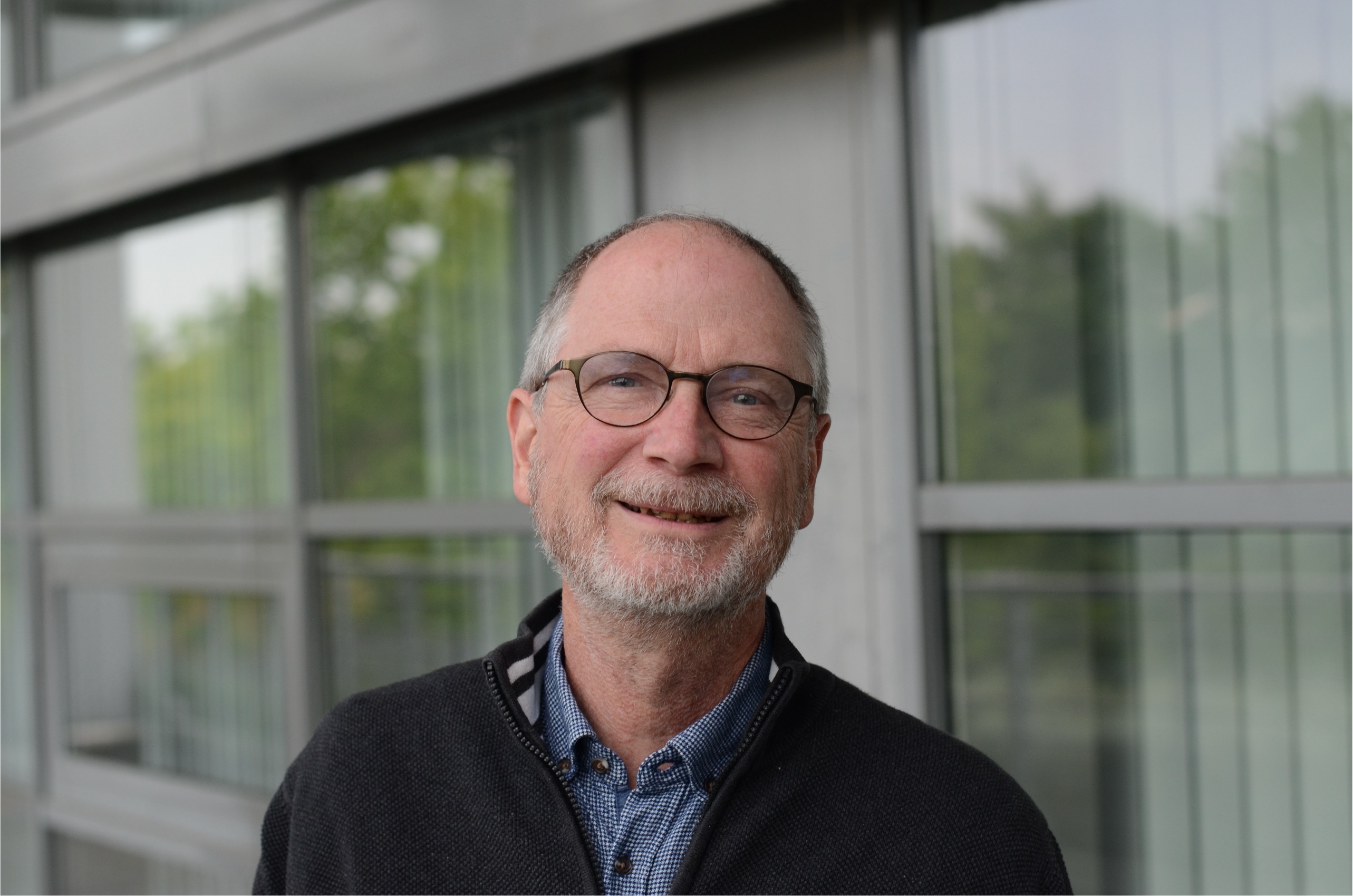 The main interests of TP I are, on the one side, the development of multiphysics/multiscale simulations of colli-sionless plasmas and, on the other side, the understanding of intermittency in turbulent fluids and plasmas using non-perturbative methods. The first topic addresses the occurrence of multiple temporal and spatial scales in collisionless fusion, space, and astrophysical plasmas, which require different physical models at different scales. These models range from magnetohydrodynamics/Ohm's law (on large scales), two fluids/Maxwell to a kinetic description using the Vlasov/Maxwell system. The specialty of our group is the development of multiphysics/multiscale simulations that adaptively decide in which spatial region which model is appropriate, as well as coupled simulations of these different models. In the latter area, our group focuses on the non-perturbative in-stanton calculus to develop approximations to the path integral formulation of turbulence.
Keywords: multiphysics/multiscale simulations, MHD, Vlasov, turbulence and instantons, intermittency
Webpage: Theoretical Physics I
ORCID: 0000-0003-0622-071X
Prof. Dr. Christopher Riseley, Astronomical Institute
 Lorem ipsum dolor sit amet, consetetur sadipscing elitr, sed diam nonumy eirmod tempor invidunt ut labore et dolore magna aliquyam erat, sed diam voluptua. At vero eos et accusam et justo duo dolores et ea rebum. Stet clita kasd gubergren, no sea takimata sanctus est Lorem ipsum dolor sit amet. Lorem ipsum dolor sit amet, consetetur sadipscing elitr, sed diam nonumy eirmod tempor invidunt ut labore et dolore magna aliquyam erat, sed diam voluptua. At vero eos et accusam et justo duo dolores et ea rebum. Stet clita kasd gubergren, no sea takimata sanctus est Lorem ipsum dolor sit amet.
Keywords: Cosmic-ray signatures in dwarf galaxies: astrophysical foreground, dark-matter background, Magnetohydrodynamical halos of starforming galaxies
Webpage: Theoretical Physics IV
ORCID: 0000-0002-3369-1085
PD Dr. Hort Fichtner, Chair of Theoretical Physics IV
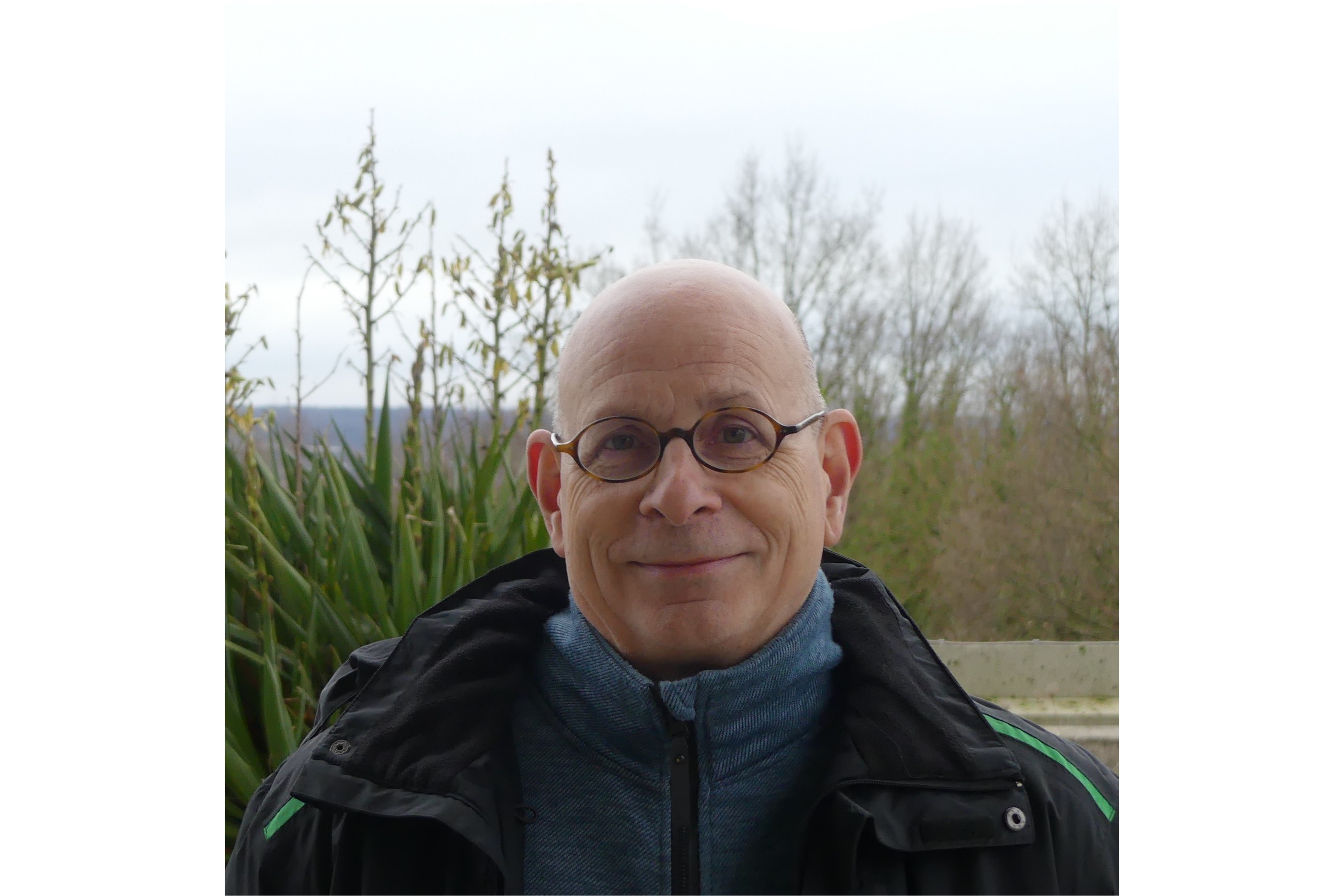 The research is mainly focused on the acceleration and propagation of non-thermal particle populations and on fluctuations in high-temperature plasmas. Regarding the first topic the activities comprise the theory of newly introduced regularized kappa distributions for the treatment of suprathermal particles, an analysis of nonlinear diffusive shock acceleration of intermediate-energy cosmic rays, and the propagation of high-energy cosmic ray particles in the direct vicinity of the Sun. With respect to the second topic, the transport of fluctuations in the sub-sonic plasma in the so-called inner helisosheath of the heliosphere is studied as well as the wave-driving of the solar wind within the solar corona. The corresponding frameworks reach from the equations of motions of indi-vidual particles, via kinetic transport equations for distributions functions, to the magnetohydrodynamic fluid modelling of their velocity moments.
Keywords: space and astrophysical plasmas, kinetic theory, magnetohydrodynamics, plasma fluctuations
Webpage: Theoretical Physics IV
ORCID: 0000-0002-9151-5127
Prof. Dr. Ralf-Jürgen Dettmar, Astronomic Institute
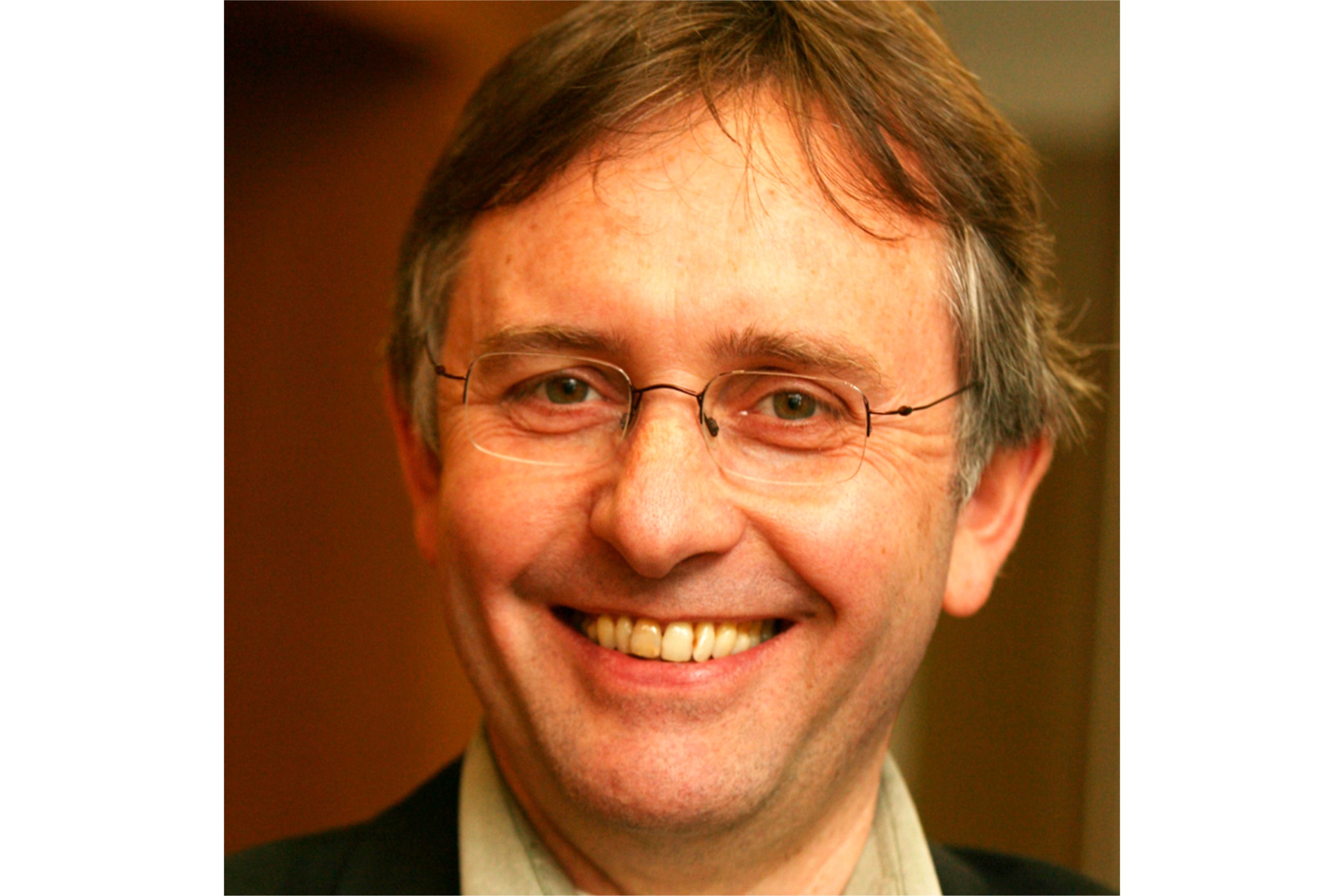 Research projects at the chair of astronomy focus on studying the physics of the magnetized interstellar medium and its role in the evolution of galaxies. Emission line spectroscopy at optical and X-ray wavelengths is used to characterize the properties of the diffuse gas in galactic halos while radio-continuum polarization studies of the non-thermal synchrotron emission allow to describe properties of galactic magnetic fields such as field strength and structure. The combination of the methods provides inside into the physical condition of galactic halos ad-dressing the large scale circulation of matter between star-forming galactic disks and the so-called “circumgalactic medium”. In this context, one station of the international LOw Frequency ARray radiotelesope (LOFAR) is operated together with FZ Jülich.
Keywords: plasma-astrophysics, plasma diagnostics, emission line spectroscopy, radio polarimetry, interstellar medi-um physics, galactic magnetic fields, LOFAR
Webpage: Astronomical Institute
ORCID: 0000-0001-8206-5956